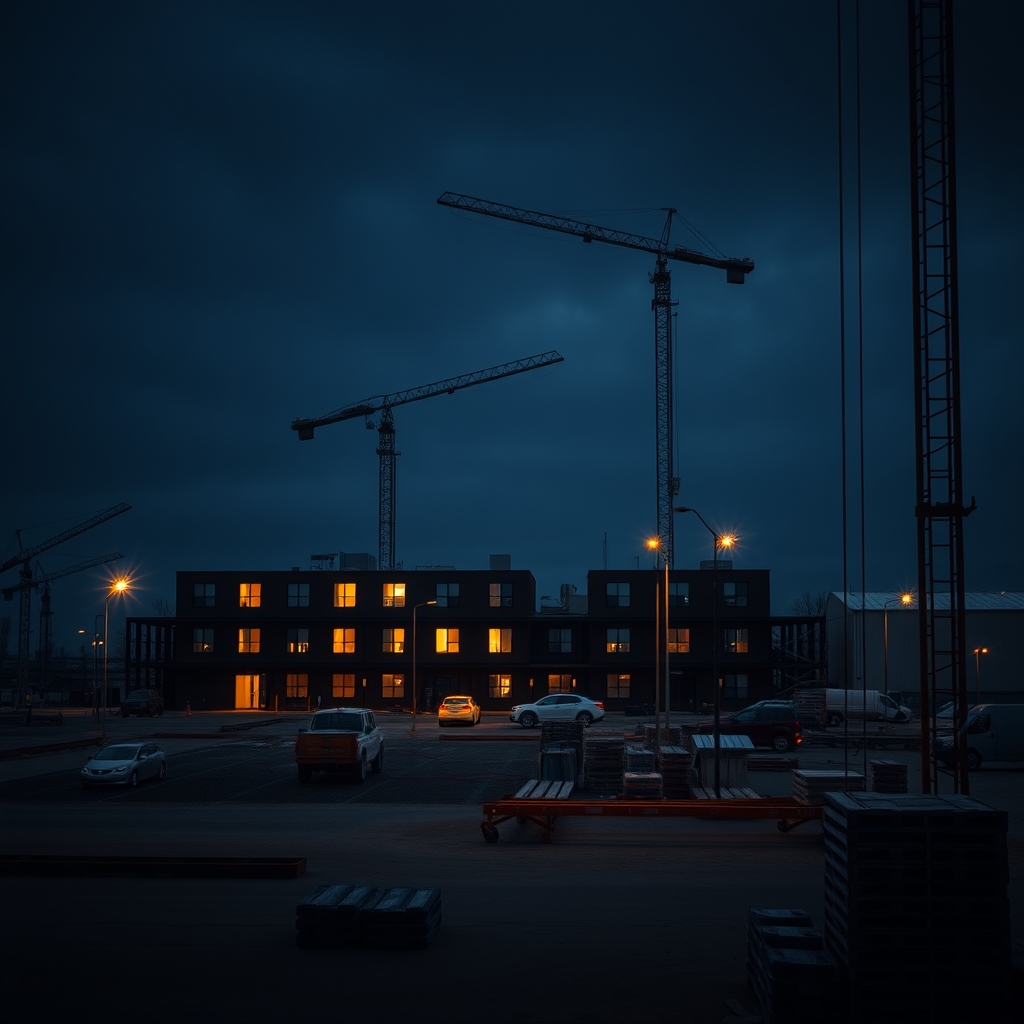
Top Construction Companies Winnipeg: Your Guide to Quality Building Services
Learn more about construction companies winnipeg and how it applies to your specific needs.
When it comes to building or renovating a property in Manitoba, finding reliable is essential for ensuring your project is completed on time, within budget, and to the highest standards. Winnipeg’s construction industry is diverse, offering everything from residential home builds to large-scale commercial developments. Whether you are planning a new custom home, a office renovation, or an industrial facility, partnering with experienced contractors can make all the difference. In this article, we explore the key factors to consider when selecting construction companies in Winnipeg, highlight the types of services available, and provide actionable tips for a successful project.
Winnipeg’s construction sector has grown steadily over the past decade, driven by population growth, economic development, and infrastructure investments. The city’s unique climate and soil conditions require specialized knowledge, which local possess. From foundation work to roofing, these experts understand how to build structures that withstand harsh winters and seasonal freeze-thaw cycles. By choosing a reputable firm, you benefit from their familiarity with local building codes, permit processes, and material suppliers.
Why Choosing the Right Construction Company Matters
Selecting the right construction company is one of the most critical decisions you will make for your project. A professional contractor brings expertise, project management skills, and a network of subcontractors. They ensure safety compliance, quality control, and timely delivery. like those listed on Gateway Project offer comprehensive services that cover every phase of construction, from initial design to final walkthrough. Poorly chosen contractors can lead to cost overruns, delays, and subpar workmanship. Therefore, take time to research and vet potential firms before signing any agreement.
One of the first steps is to verify licensing and insurance. In Manitoba, construction companies must hold valid licenses and liability insurance. Additionally, check for Worker’s Compensation coverage to protect yourself and your workers. A reputable company will provide references and a portfolio of past projects. Many Winnipeg firms specialize in specific niches, such as green building, historic renovations, or multi-family housing. Matching their expertise to your project needs increases the likelihood of a smooth process.
Types of Construction Services in Winnipeg
Winnipeg’s construction landscape is broad. Residential construction includes new homes, additions, and basement finishing. Commercial construction covers office buildings, retail spaces, and warehouses. Industrial construction involves factories, processing plants, and distribution centers. Many also offer renovation and restoration services, helping homeowners and businesses update older properties. Whether you need a simple bathroom remodel or a complex steel structure, you can find specialists who deliver excellence.
Another growing area is sustainable construction. Winnipeg has seen a rise in energy-efficient buildings, using materials like insulated concrete forms, high-performance windows, and solar panels. Environmentally conscious companies incorporate green practices, reducing waste and lowering operational costs. If sustainability is a priority, inquire about LEED certification or net-zero energy designs. These projects often qualify for government incentives, making them more affordable in the long run.
How to Evaluate Construction Companies in Winnipeg
Evaluating potential contractors involves several steps. Start by reading online reviews on platforms like Google, Houzz, or Better Business Bureau. Look for consistent positive feedback about communication, punctuality, and craftsmanship. Next, request detailed quotes from at least three companies. Compare not only the bottom line but also the scope of work, materials specified, and timelines. A transparent company will break down costs and explain any contingencies. that are members of professional associations, such as the Winnipeg Construction Association, often adhere to higher standards.
Site visits are invaluable. Ask to see ongoing projects or recently completed ones. This gives you a sense of their work quality and job site organization. During conversations, assess their responsiveness and willingness to answer questions. A good contractor listens to your ideas and offers practical solutions. They should provide a written contract that includes payment schedules, warranty information, and change order procedures. Avoid companies that demand large upfront deposits or pressure you into quick decisions.
Common Challenges and How to Overcome Them
Construction projects in Winnipeg face unique challenges. Weather is a primary factor: winter temperatures can halt concrete pouring and exterior work. Reputable companies plan for seasonal delays and use temporary heating or enclosures when necessary. Soil conditions, including expansive clay, require proper foundation engineering. Geotechnical surveys are often recommended. Permitting can also be time-consuming, especially for large projects. Experienced navigate these hurdles efficiently, keeping your project on track.
Budget management is another common issue. Unexpected issues like hidden mold, outdated wiring, or structural defects can arise during renovations. A contingency fund of 10–20% of the total budget is wise. Communication breakdowns between homeowners and contractors can cause frustration. Establish a clear chain of command and regular progress meetings. Using project management software or shared documents helps everyone stay aligned. Finally, ensure that all changes are documented in writing to avoid disputes later.
Trends in Winnipeg Construction for 2025
The construction industry in Winnipeg is evolving. Smart home technology is becoming standard in new builds, with integrated lighting, security, and climate control systems. Modular construction is gaining traction, offering faster assembly and less waste. Mixed-use developments that combine residential, retail, and office spaces are popular in revitalizing neighborhoods like the Exchange District. Additionally, there is a push for affordable housing solutions, with many partnering with government programs to build cost-effective units.
Workforce development is also a focus. Local trade schools and apprenticeship programs are training the next generation of carpenters, electricians, and masons. Companies that invest in employee training and safety tend to have lower turnover and higher quality output. As materials costs fluctuate, contractors are adopting value engineering to find cost-effective alternatives without sacrificing durability. Staying informed about these trends helps you make better decisions when hiring a contractor.
Steps to a Successful Construction Project
To ensure your project runs smoothly, follow these steps. First, define your goals clearly—what do you want to achieve, and what is your budget? Second, research and interview multiple companies. Ask for detailed proposals and compare them. Third, sign a comprehensive contract that outlines everything. Fourth, obtain necessary permits before work begins. Fifth, maintain open communication throughout the build. Sixth, conduct regular inspections and keep a punch list for final touches. Finally, celebrate your completed project! Remember that are your partners in bringing your vision to life.
Many homeowners and business owners find that hiring a project manager or owner’s representative can reduce stress, especially for large or complex builds. These professionals oversee schedules, budgets, and quality control on your behalf. They can also mediate disputes if they arise. While this adds some cost, it often pays off through fewer mistakes and smoother coordination. For smaller projects, a reliable general contractor can handle these tasks directly.
FAQs
What should I look for when hiring construction companies in Winnipeg?
Look for proper licensing, insurance, and a solid track record. Check references, read reviews, and ensure they have experience with your type of project. A good company will provide a detailed contract and clear communication. Also, verify their familiarity with local building codes and weather considerations.
How long does a typical construction project take in Winnipeg?
Timelines vary widely based on project size and complexity. A small renovation might take a few weeks, while a custom home can take 6–12 months. Commercial projects often take longer due to permitting and coordination. Weather can also cause delays, so build some flexibility into your schedule.
Are there financing options available for construction projects?
Yes, many banks and credit unions offer construction loans or home renovation mortgages. Some contractors also have partnerships with lenders. Government grants for energy-efficient upgrades or affordable housing may be available. Discuss financing options with your contractor and financial advisor early in the process.
How can I ensure my construction project stays on budget?
Start with a realistic budget that includes a contingency fund. Get multiple quotes and choose a contractor who provides a detailed scope of work. Avoid making changes after construction begins, as these often increase costs. Maintain regular communication and request weekly cost updates.
More Stories
Mengenal Lebih Dekat Mpo99: Platform Digital Terpercaya untuk Hiburan Online
릴게임의 모든 것: 재미와 전략을 동시에 잡는 방법
CK44: The Ultimate Guide to Understanding Its Features and Benefits